

You asked, and we answered! Here are the 15 most frequently asked questions about PFDD.
1. What is Patriots for Disabled Divers?
Patriots for Disabled Divers (PFDD) is a 501(c)3 non-profit organization. Founded in 2013, we are dedicated to providing the therapeutic benefits of scuba diving to injured veterans nationwide.
 2. Who can participate in PFDD programs?
We work predominately with injured U.S. veterans who have a VA disability rating of 30% or greater.
3. What types of disabilities does PFDD accommodate?
PFDD and our affiliate dive centers work with all levels of disability. However, participants must be medically cleared by a physician (or other qualifying medical personnel) to engage in scuba diving activities. Most people, even those with 100% disability ratings, are physically healthy enough to scuba dive. This allows us to work with a wide range of veterans, including invisible injuries, multiple amputations, blind divers, and even quadriplegics. However, participating in one of our programs does not guarantee scuba diving certification. All program performance requirements must be met to achieve certification.
4. How can I sign up for a PFDD program?
To apply for our programs, contact us online via our website. Our executive director will then contact you to begin the application process. During this process, you’ll be asked to provide documentation of your VA disability rating and to complete various other forms, such as the Diver Medical Questionnaire. While we accept most applicants, application does not guarantee a place in one of our programs.
5. Is there a cost associated with PFDD programs?
PFDD training programs are provided at no cost to our participants. However, diver training does require a commitment of time and effort that may span several weeks.
6. What kind of training do PFDD instructors have?
PFDD’s affiliate dive centers employ instructors with special training to work with adaptive divers (students with unique needs). This special training meets or exceeds the industry standards set by the Professional Association of Dive Instructors (PADI) and/or the Handicapped Scuba Association (HSA).
7. What equipment is provided during PFDD diving sessions?
During PFDD-sponsored diver training, program participants are provided with all necessary dive gear. However, they are still responsible for personal items such as bathing suits, towels, water bottles, etc.
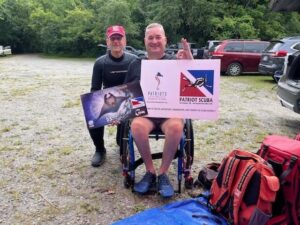 8. How can I support PFDD, either financially or through volunteering?
Donating on our website is the best and easiest way to support PFDD. Due to the nature of diver training, volunteering opportunities are mostly limited to land-based fundraisers run by our affiliate dive centers to support PFDD. Volunteering at these events is enormously helpful as they generate most of our yearly funding.
9. Are PFDD programs available nationwide or only in specific locations?
Our affiliate dive centers conduct all PFDD diver training. Currently, we have 14 affiliates spread across the continental United States. However, we add new dive centers to our affiliates every year. Contact us if you are based in an area not currently served by a PFDD affiliate and wish to apply to our programs. We will do what we can to bring an affiliate online in your area.
10. What safety measures are in place for divers with disabilities?
All instructors for PFDD programs adhere to both industry-wide and locally recognized safety practices for all divers. Furthermore, they adjust techniques to maintain these same safety standards when working with adaptive divers. These standards are set by PADI and the World Recreational Scuba Training Council.
11. How can I get involved with PFDD as a volunteer?
Contact your local affiliate dive center to get involved with PFDD as a volunteer. Some may already run fundraising events to support PFDD, but many are still looking for proactive volunteers interested in spearheading events. Volunteers willing to organize and run fundraisers are of vital importance to our mission. We offer very few diving opportunities for volunteers as the nature of diver training requires all in-water work to be conducted by certified, insured professionals.
12. Can family members or caregivers participate in the diving sessions?
At the course instructor’s discretion, family members and caregivers can participate in diver training. PFDD does, on occasion, sponsor diver training for caregivers. However, this is rare and requires documentation of need.
13. How does diving benefit individuals with disabilities?
Scuba diving provides a multitude of benefits to veterans with disabilities. It is a low-impact form of physical conditioning free from mobility restrictions. Additionally, the meditative quality of scuba diving reduces stress, anxiety, and other psychological symptoms. Finally, scuba diving is a social sport that encourages involvement in a worldwide community.
14. What types of water environments do PFDD dives take place in?
PFDD-sponsored diver training takes place in various water environments. During the course, these could include commercial swimming pools, freshwater lakes, or even the open ocean. Each phase of the program has its own requirements for water conditions to maintain diver safety throughout.
15. Does PFDD offer advanced diving courses or certifications?
PFDD occasionally offers advanced diving courses and specialty certifications to participants. These are offered to applicants on a case-by-case basis.
To learn more about PFDD or our programs, contact us online or via email at jeff@patriotsfordisableddivers.com