

With so many wounded veterans returning from conflicts abroad, adaptive sports have gained a great deal of visibility over the last few years. Among them, adaptive scuba diving has grown rapidly in popularity. Continuing research alongside a mountain of anecdotal evidence shows physical, psychological, and social benefits for injured warriors participating in adaptive diving programs.
But what is adaptive diving? How does it differ from regular diving? And who do these programs really help? In this article, we’ll answer these questions and more. Read on to learn everything you need to know about adaptive diving.
What is Adaptive Diving?
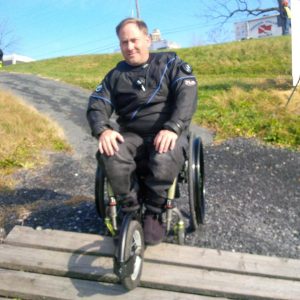
Adaptive diving is an approach to scuba diving that modifies skills to the individual’s needs while still meeting certification and safety standards. In other words, it’s a method of diving that focuses on finding techniques that work for the diver rather than forcing traditional protocols. The truth is all scuba diving is adaptive training because every diver is unique. Some divers just require adaptations that are a little more noticeable than others. That’s where the concept of adaptive diving becomes essential.
Why Is Adaptive Diver Training Important?
The PADI scuba diving course standards—used by all our affiliate dive centers and instructors—are written with flexibility in mind. This is to allow instructors to modify their technique to meet the individual student’s needs while still maintaining safety standards.
However, recreational diving has existed since 1943. During that time, certain methods of diver training have become habitual in many dive shops worldwide. Routine sometimes makes it hard for instructors to differentiate between common practice and a program standard.
Because of this, we only work with dive centers trained in adaptive diving practices. This ensures they have the skills and knowledge to adapt techniques within program standards while maintaining a safe, comfortable environment for our injured vets.
Who Benefits from Adaptive Programs?
The teaching techniques used in adaptive diving courses can help anyone learn diving more effectively. However, individuals living with a disability, permanent injury, or other unique needs gain the most benefit from adaptive courses.
At Patriots for Disabled Divers, we focus our training on injured veterans. Warriors living with amputations, paralysis, or spinal cord injuries immediately see the benefits of adaptive training. Our adaptive programs utilize diver skills that focus on the participant’s existing physical abilities and are, therefore, much more comfortable to complete.
Those living with invisible injuries such as traumatic brain injuries or PTSD also benefit significantly from adaptive training. These sorts of injuries can rewire how the brain learns. Thus, the individual focus of these programs allows the course structure to adapt to the student’s learning style.
How Can You Get Involved with Adaptive Diving?
Getting involved with adaptive diving is one of the most rewarding experiences scuba diving can offer. If you’re an injured warrior, earning your entry-level open water diver certification is your gateway to a world and community that few will ever experience.
If you’re not a veteran, supporting adaptive programs through donations is a means to supply the therapeutic benefits of scuba diving to those who need it most. Whatever your individual status, getting involved in adaptive diver training will change your life. To learn more about getting involved, contact us online or email our executive director at jeff@patriotsfordisableddivers.org.