

In the United States, approximately 22 veterans commit suicide every day, according to the Department of Veteran Affairs. This means veterans account for nearly 20% of all suicides in America. These preventable deaths are too often the result of an injured veteran not finding the help they need. Adaptive diving offers a unique opportunity to support our veterans and reduce these unacceptable suicide rates by supporting the entire individual on their personal journey. Studies into the effects of scuba diving on veterans have shown remarkable promise in their ability to aid the divers physically and psychologically. As such, our adaptive diving programs build on this research to benefit every participant physically, psychologically, and socially. Read on to learn how adaptive diving offers life-changing benefits to injured veterans.
Adaptive Diving Encourages Physical Healing
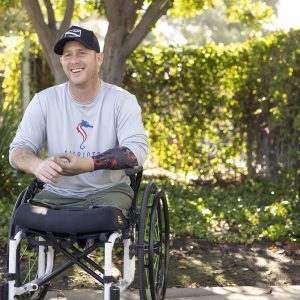
Every new diver remarks on the freedom of movement experienced while diving. When submerged on scuba, the diver can move in three dimensions with an ease unknown to the land-bound. This mobility is fun for anyone, but for those who live their lives in a wheelchair or similar mobility device, it can be a truly profound experience.
Any diver could have guessed that veterans with limited use of their limbs would enjoy this incredible freedom. However, few expected the other physical benefits diving offers. In 2011, a study out of Johns Hopkins University found that “veterans with spinal cord injuries who underwent a four-day scuba diving certification saw significant improvement in muscle movement, increased sensitivity to light touch and pinprick on the legs.” We have also received innumerable anecdotal reports from our participants that support these findings.
Additionally, adaptive diving has been known to offer significant pain relief, especially for veterans who have suffered severe physical trauma. The weightlessness of diving takes the pressure off the spine and joints, reducing swelling and irritation.
Adaptive Diving Offers Support for Mental Health
The 2011 Johns Hopkins study also found “large reductions in post-traumatic stress disorder (PTSD) symptoms” for participants engaged in adaptive diving. This is, in fact, the number one benefit our participants report.
PFDD has trained over 1,000 injured veterans to dive, and nearly all of them report that diving decreased their anxiety, irritability, and hypervigilance. Furthermore, many have told us that diving relieves symptoms of their depression. The medical reason for these psychological boosts is currently unknown. Still, our participants routinely extol the virtues of scuba diving as a therapy for PTSD.
Adaptive Diving Helps Warriors Return to a Community
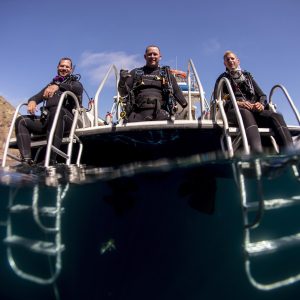
While many organizations focus on physical and psychological help for injured veterans, most lack one crucial element—socialization. The veterans on our board and among our instructors can tell you that the military is a tight-knit community, especially during a deployment. Injuries remove veterans from that community, leaving many feeling lost and isolated. This loneliness is dangerous. Research reported by the American Psychological Association suggests that sustained loneliness “heightens health risks as much as smoking 15 cigarettes a day.”
Since diving is a social sport, adaptive scuba diving offers unique support for regaining social connections. Certified divers are required to dive with a buddy anytime they go in the water. This buddy system is familiar to many veterans who were paired with battle buddies during their military training. Additionally, diver communities exist all over the world and meet regularly. This provides the needed personal interaction needed to stave off isolation. These elements help injured veterans recover the sense of community they lost after leaving the military and improve their health overall.
How Can You Help Veterans?
Adaptive diving offers a lifetime of benefits for injured veterans. Once certified, an adaptive diver can dive worldwide without any additional training. However, each diver’s certification costs $1,000 on average. We believe it’s essential to offer these benefits at no cost to our veterans. To keep providing these services, we need your help. If you think our veterans deserve support for their sacrifices for our country, please donate today.