

As a veteran, you’ve faced challenges that few others can truly understand. You’ve shown remarkable strength and resilience in the face of adversity. However, the transition from active duty to civilian life can be daunting, particularly when dealing with physical injuries and the invisible scars of war. One of the most insidious challenges injured veterans face is the tendency to self-isolate. Understanding the dangers of self-isolation and loneliness on mental health is vital to improving personal health and finding paths to healing.
The Impact of Self-Isolation on Mental Health
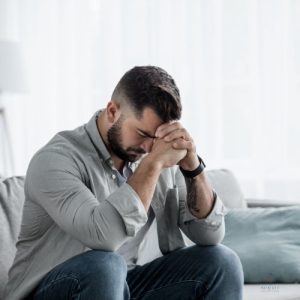 Self-isolation might seem like a natural response when dealing with pain, both physical and emotional. It’s an instinct to withdraw and protect oneself. However, prolonged isolation can have severe impacts on mental health. Studies have shown that loneliness and social isolation can lead to a myriad of mental health issues, including increased anxiety, depression, and a higher risk of cognitive decline.
According to Dr. Julianne Holt-Lunstad, a renowned psychologist and expert in social connections, “There is robust evidence that social isolation and loneliness significantly increase the risk for premature mortality, and the magnitude of the risk exceeds that of many leading health indicators.” This statement underscores the dangers of self-isolation, especially for veterans already navigating disorders like PTSD.
Scientific studies have consistently shown that social connections are vital for mental well-being. The lack of these connections can trigger a host of negative emotions and mental health challenges. For injured veterans, this sense of isolation can be even more pronounced, making it imperative to address and mitigate these feelings early on.
Isolation and Depression: A Dangerous Cycle
Isolation and depression often go hand-in-hand, creating a vicious cycle that can be difficult to break. When isolated, individuals may experience a sense of worthlessness or hopelessness, feelings that are common in depression. This can lead to further withdrawal, exacerbating the problem.
Alarmingly, the statistics surrounding veteran suicide are a stark reminder of the severity of this issue. On average, 22 veterans commit suicide every day. This heartbreaking statistic highlights the urgent need for effective interventions and support systems to help those struggling with isolation and loneliness.
Breaking the Cycle: Finding Support and Connection
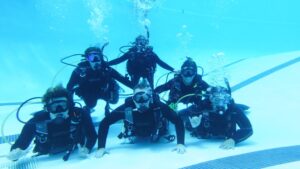 It’s important to remember that reaching out for help is a sign of strength, not weakness. Connection and community can play a transformative role in overcoming the challenges of self-isolation and loneliness. Here at Patriots for Disabled Divers (PFDD), we’ve seen firsthand the therapeutic benefits of scuba diving. This sport offers physical health benefits and fosters a sense of camaraderie and belonging among participants.
One of our primary missions at PFDD is to help injured veterans experience the joys and benefits of scuba diving. Diving is an inherently social sport that provides a sense of purpose, achievement, and community—crucial elements for mental health and well-being. If you or someone you know could benefit from our programs, we strongly encourage you to reach out to us. Your well-being is our priority, and we are here to support you every step of the way.
Where To Find Help
Isolation can feel overwhelming, but you don’t have to face it alone. If you’re struggling, please consider reaching out to us to learn more about our scuba diving programs, which are designed to help you reconnect and heal.
Additionally, if you or a loved one is in immediate need of support, please call the National Suicide Prevention Hotline:
National Suicide Prevention Lifeline: 1-800-273-8255
Your life is meaningful, and there are people ready to help you through this difficult time.
Don’t Go It Alone
The dangers of self-isolation and loneliness are real and significant but not insurmountable. By recognizing the impact of these feelings and taking steps to connect with others, you can break the cycle of isolation and move towards a healthier, more fulfilling life. Patriots for Disabled Divers is here to support you, offering a unique opportunity to find connection and healing through scuba diving. To learn more about our programs or the value of community in mental health, contact us online or via email at jeff@patriotsfordisableddivers.org.