

For many veterans, the transition from military service to civilian life is challenging. Still, when injury and disability are added to the equation, the path becomes even more daunting. Physical pain and limitation are often accompanied by a deep sense of isolation, leading to severe depression. In fact, almost one-third of all veterans experience symptoms of major depression. At Patriots for Disabled Divers, we understand the therapeutic benefits of scuba diving and how it can transform the lives of injured veterans. Let’s explore the connection between injury, isolation, and depression and how scuba diving offers unique relief.
The Isolation of Injury
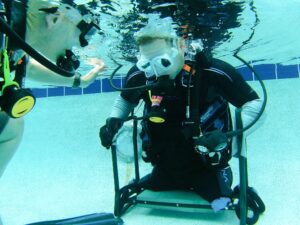 Injuries can be incredibly isolating for veterans for several reasons:
- Loss of Identity: Military service is more than a job; it’s an identity. When veterans are injured, many are medically disqualified from service. Medically-separated veterans often feel like they’ve lost a crucial part of themselves. The physical limitations accompanying some injuries can prevent them from participating in activities they once enjoyed. Likewise, invisible injuries like PTSD distance them from their family and loved ones. Each of these further separates the veteran from their sense of personal identity.
- Physical Limitations: Injuries often come with mobility challenges, making it difficult for veterans to engage in social activities. Even though facilities in the US are ADA-compliant, there are still many physical and logistical hurdles for veterans with limited mobility. The inability to move freely can lead to a feeling of being trapped, both physically and mentally.
- Emotional Withdrawal: The psychological impact of injury can lead to emotional withdrawal. Veterans may feel misunderstood by those who haven’t shared similar experiences, leading them to pull away from friends and family. The stigma against mental illness that persists in many military communities further discourages those who are struggling from seeking the help they need.
How Isolation Influences Depression
Isolation is a breeding ground for depression. When veterans withdraw from social interactions, they lose critical support systems. This lack of support leads to feelings of hopelessness and despair. Statistics show that veterans are five times more likely to experience major depression compared to the average American, and they are almost twice as likely to commit suicide.
Signs and Symptoms of Major Depression
Recognizing the signs and symptoms of major depression is crucial. They include:
- Persistent sadness or hopelessness
- Loss of interest in activities once enjoyed
- Significant changes in appetite and sleep patterns
- Fatigue or lack of energy
- Difficulty concentrating or making decisions
- Thoughts of death or suicide
Major depression is not just a phase; it is a serious medical condition that requires attention and care. Left untreated, it can lead to severe consequences, including suicidal behavior. Current estimates suggest 22 veterans commit suicide each day, many as a result of severe depression.
The Importance of Socialization and Community
 Socialization and community play vital roles in alleviating depression symptoms. Human connections provide emotional support, reduce feelings of loneliness, and create a sense of belonging. The CDC reports that people with stronger social bonds have a 50% higher likelihood of survival than those with fewer social connections. For veterans, being part of a community that understands their struggles can be particularly healing.
How Scuba Diving Promotes Community
Scuba diving offers a unique avenue for socialization and community building.
- Inclusive Environment: Scuba diving is an inclusive activity that can be adapted to various physical abilities. Veterans with mobility challenges can participate alongside their peers, breaking down isolation barriers.
- Team Building: Diving is a team sport. It requires communication, trust, and cooperation, fostering strong bonds among participants. Veterans often find camaraderie in the shared experience of diving.
- Mental Escape: The underwater world provides a mental escape from the stresses of daily life. The focus required for diving can help veterans stay present, reducing anxiety and depressive thoughts.
- Sense of Achievement: Mastering diving skills and exploring the underwater world can boost confidence and provide a sense of accomplishment, counteracting feelings of helplessness.
The Transformative Power of Scuba Diving
At PFDD, we’ve seen firsthand how scuba diving transforms lives. Veterans who once felt isolated and depressed find new purpose and joy in diving. Physical activity and a supportive community offer a therapeutic experience that can lead to lasting improvements in mental health. These experiences promoted the spouse of one of our participants to write, “[PFDD] saved my husband’s life!”
Fight Back Against Depression
If you or a loved one is an injured veteran struggling with depression, we encourage you to explore the therapeutic benefits of scuba diving. Patriots for Disabled Divers is dedicated to helping veterans find relief through diving. Contact us today to learn more about our programs and how together we can support injured veterans nationwide.