

Traumatic Brain Injuries (TBIs) are often referred to as an invisible injury. While physical wounds are evident, the impact of TBIs on veterans’ lives can be profound long after the external injury heals. Despite their lack of visibility, these injuries are relatively common among veterans. The Defense and Veterans Brain Injury Center records show almost 414,000 service members with TBIs between 2000 and 2019. Yet, few outside of the military understand the lingering effects traumatic brain injuries leave behind. In this article, we’ll explore the causes, types, signs, and symptoms of TBIs and delve into how they affect the daily lives of wounded veterans.
Causes of Traumatic Brain Injuries
 TBIs can result from various incidents, including combat-related blasts, falls, vehicular accidents, and sports injuries. In military contexts, improvised explosive devices (IEDs) and other explosive devices are frequent causes of TBIs among service members. However, any severe blow or jolt to the head can cause a traumatic brain injury, even while wearing protective gear such as a helmet.
Types of Traumatic Brain Injuries
TBIs are categorized into three main types: mild, moderate, and severe. Mild TBIs, also known as concussions, may cause temporary cognitive issues. Moderate and severe TBIs frequently lead to long-term impairments in physical, cognitive, and emotional functioning.
Signs and Symptoms of Traumatic Brain Injuries
The symptoms of TBIs vary widely depending on the severity of the injury. Common signs include headaches, dizziness, nausea, memory problems, mood swings, and sensitivity to light or noise. In more severe cases, individuals may experience seizures, loss of consciousness, or paralysis.
The Impact on Daily Life
For veterans living with TBIs, the impact on daily life can be profound and multifaceted. Physical symptoms such as chronic pain, fatigue, and mobility issues can make even simple tasks challenging. Cognitive difficulties, including problems with memory, attention, and decision-making, can hinder employment, education, and social interactions.
Emotional and psychological effects are also prevalent among veterans with TBIs. Depression, anxiety, post-traumatic stress disorder (PTSD), and suicidal ideation are common comorbidities, further complicating recovery and rehabilitation efforts. Moreover, research suggests veterans with TBIs are more likely to develop degenerative neurological disorders such as Alzheimer’s, Parkinson’s, and chronic traumatic encephalopathy.
Challenges in Rehabilitation
Rehabilitating from a TBI is often a long and arduous process. Veterans may require extensive medical care, including physical, occupational, and speech therapy. Additionally, psychotherapy and counseling are crucial for addressing the emotional and psychological toll of TBIs, as well as the PTSD that frequently accompanies it.
Accessing quality care and support services can be challenging for veterans, particularly those in rural or underserved areas. Long wait times, limited resources, and bureaucratic hurdles within the healthcare system can exacerbate veterans’ struggles and delay their recovery.
Support for Injured Veterans
Recognizing the unique challenges faced by veterans with TBIs, various organizations and programs offer support and resources tailored to their needs. The Department of Veterans Affairs (VA) provides specialized TBI clinics, rehabilitation programs, and compensation and pension benefits for service-connected injuries.
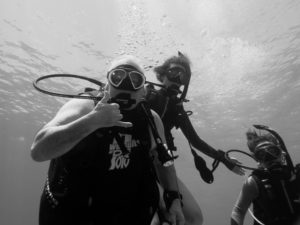
However, there is no definitive treatment protocol for traumatic brain injuries. Thus, despite even top-tier medical care, veterans with TBIs often struggle to find relief and reintegrate into their communities. Patriots for Disabled Divers uses scuba diving programs to assist with that. Scuba diving has been shown to positively impact recovery for veterans with nervous system injuries. Our veterans also report relief from TBI symptoms, such as migraines during diving and for days afterward. Additionally, the social nature of scuba diving helps veterans re-establish the supportive community necessary to heal.
Showing Your Support for Wounded Veterans
Traumatic Brain Injuries can have a devastating impact on the lives of injured veterans, affecting their physical health, cognitive functioning, and emotional well-being. By raising awareness of the challenges faced by veterans with TBIs and advocating for improved support services, we can better honor their sacrifices and ensure they receive the assistance they deserve. To learn more or help PFDD’s mission to improve injured veterans’ lives, contact us online or via email at jeff@patriotsfordisableddivers.org.