

Anxiety disorders among injured veterans are a pressing concern. Studies indicate a significantly higher prevalence in veterans compared to the general population. According to a 2024 Yale-led study, 7.9% of veterans screened positive for probable Generalized Anxiety Disorder (GAD), while only 2.9% of Americans, on average, test positive for GAD. Additionally, 25% of veterans experience mild anxiety disorders. These numbers underscore the urgent need for effective interventions to support veterans dealing with anxiety. Scuba diving offers one potential tool. Read on to learn how diving helps injured veterans manage anxiety.
Understanding Anxiety Disorders
Recognizing the signs and symptoms of anxiety disorders is paramount for early intervention and support. Anxiety disorders manifest in various ways. They are often characterized by a persistent sense of apprehension or dread. Individuals may experience excessive worry about everyday situations, even when there is little or no cause for concern. This constant state of apprehension can lead to restlessness, making it difficult for the affected to relax or concentrate on tasks. Moreover, irritability and heightened sensitivity to stimuli are common features of anxiety disorders, stressing both personal and professional relationships.
Physical manifestations of anxiety may include muscle tension, headaches, and gastrointestinal discomfort. These physical symptoms often exacerbate the psychological distress experienced, contributing to a vicious cycle of heightened stress and physical discomfort.
Personal Journey: Scott V.’s Story
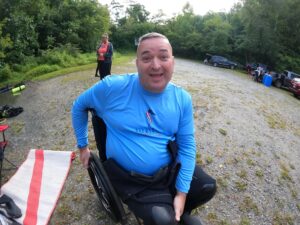
Scott V., an army veteran with 12 years of service, encountered severe and persistent anxiety following his departure from the military. His challenges multiplied after a fall left him paralyzed, exacerbating his struggle to manage his anxiety. However, he reached a turning point when participating in a Patriots for Disabled Divers’ (PFDD) scuba diving program. Scott experienced a profound reduction in his anxiety, describing the experience as “liberating” and reveling in the newfound sense of freedom it bestowed upon him. Read more about Scott’s journey here.
The Therapeutic Power of Scuba Diving
Scuba diving offers a unique therapeutic avenue for veterans grappling with anxiety disorders. By engaging in a mission-based activity akin to military operations, veterans find familiarity and comfort in teamwork, camaraderie, and shared objectives. The rhythmic breathing required during diving induces a calming effect on the body, comparable to practices like yoga or meditation. However, unlike other alternative therapies, scuba diving carries minimal stigma within military communities, fostering an environment of challenge and reward.
Supporting Injured Veterans: Patriots for Disabled Divers
Patriots for Disabled Divers (PFDD) stands as a beacon of hope for injured veterans seeking relief from anxiety through scuba diving. Founded by a Navy family in 2013, PFDD has trained over 1,000 veterans, equipping each participant with the skills and confidence to explore the therapeutic potential of diving. PFDD’s commitment to empowering veterans underscores the transformative impact of scuba diving on mental well-being.
Joining Forces for Change
Living with an anxiety disorder can profoundly impact an individual’s quality of life. Yet, therapeutic scuba diving offers an unprecedented avenue for managing anxiety among injured veterans. By supporting organizations like PFDD and their therapeutic scuba diving programs, you can make a meaningful difference in the lives of those who have sacrificed for our nation. Together, let’s ensure that every veteran has the opportunity to experience the transformative power of diving. To learn more about how scuba diving reduces anxiety or to donate, contact us online or via email at jeff@patriotsfordisableddivers.org.