

Visible injuries get a lot of attention, but many of the wounds our veterans carry are the invisible scars of their service. Among the most deadly of these is depression. As a complex mental health condition, depression often goes unrecognized, affecting the lives of numerous veterans. However, current research shows depression affects 20% of veterans, with 11% of all service members experiencing suicidal ideation or attempts. In this article, we’ll discuss the clinical definition of depression, its signs and symptoms, its profound impact on the lives of afflicted veterans, and how scuba diving can help alleviate its burdens.
Understanding Depression
Depression is more than just feeling sad. It is a clinical condition that affects one’s thoughts, feelings, and energy levels. According to the Diagnostic and Statistical Manual of Mental Disorders (DSM-5), depression, or major depressive disorder, is characterized by persistent feelings of sadness, hopelessness, and a lack of interest or pleasure in previously enjoyed activities. Other symptoms may include changes in appetite, sleep disturbances, fatigue, difficulty concentrating, and even thoughts of death or suicide.
Signs and Symptoms of Depression
For veterans grappling with depression, the signs and symptoms can manifest in various ways. Some may withdraw from social activities, while others may exhibit increased irritability or restlessness. Sleep disturbances, such as insomnia or oversleeping, and changes in appetite are common indicators. Additionally, veterans may experience physical ailments like headaches or digestive issues without an apparent medical cause. Decreased energy levels may also occur, with the veteran finding they don’t have the energy to do even simple actions like going outside or getting dressed.
Depression’s Impact on the Lives of Veterans
The impact of severe depression on veterans is profound. Depression affects all levels of one’s life, including mental and physical health. It can also hinder their ability to maintain relationships, hold down a job, and engage in daily activities. Substance abuse often co-occurs with depression as a means of self-medication, further exacerbating the challenges faced by veterans. In 2019 alone, 1.3 million veterans had a substance abuse disorder. Sadly, the stigma associated with mental health issues can often prevent them from seeking the help they desperately need.
Community Helps Those Battling Depression
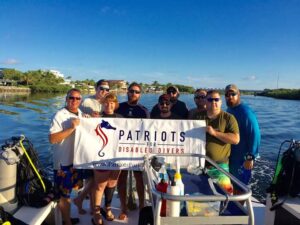 Community and social support are powerful tools in the fight against depression. Community events, group therapy, and social gatherings give veterans a sense of belonging and understanding. Shared experiences with fellow veterans can create a supportive environment that eases the isolation often felt by those battling depression. Additionally, these social support structures have been shown to indirectly reduce the overall number of suicide attempts by fostering protective factors such as self-esteem.
Encouraging Community Through Scuba Diving
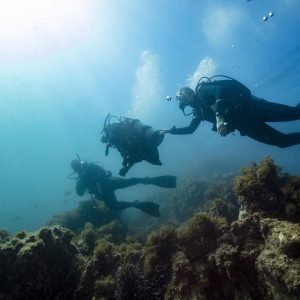
Scuba diving is a potent activity for community building. Because diving is a buddy sport, every diver is immediately part of a team. This dynamic reflects the battle buddy system many service members relied on during their training and deployments. This also creates a familiar and supportive partnership from the very first pool session.
Additionally, scuba diving is a close-knit international community based around physical dive centers. These offer veterans a place to go no matter where they find themselves, where they can be a part of the larger diving community.
Make a Difference Through Diving
Community support plays a crucial role in the healing process for veterans battling depression. Initiatives like the PFDD’s adaptive diving programs provide a lifeline for veterans struggling with mental health issues of all kinds. These programs offer participants a chance to rediscover a sense of accomplishment and connection.
As we reflect on the sacrifices made by our veterans, it is essential to recognize the silent struggles they endure long after their service has ended. To support veterans living with depression, consider making a donation to Patriots for Disabled Divers. Your contribution will help continue programs that provide meaningful experiences and build supportive communities for those who have served our nation. To donate or learn more about our programs, contact us online or by email at jeff@patriotsfordisableddivers.org.