

Post-Traumatic Stress Disorder (PTSD) is a mental health condition that can affect anyone who has experienced a traumatic event, and it is particularly prevalent among military veterans. The National Center for PTSD states that 7% of all veterans will experience PTSD during their lifetime. As of September 2023, approximately 1.25 million veterans were affected by this invisible injury. Despite its prevalence, this condition is still poorly understood by many. In this article, we’ll discuss PTSD, its signs and symptoms, and the profound impact it has on the quality of life for veterans. Additionally, we’ll explore an unexpected avenue for healing—adaptive scuba diving—and how organizations like Patriots for Disabled Divers make a difference.
Understanding PTSD
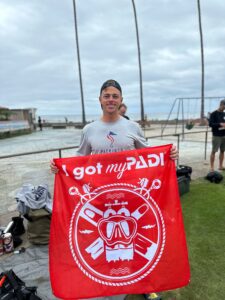 PTSD can develop after a person experiences a traumatic event, such as combat, assault, or a natural disaster. Recognizing the signs and symptoms is essential, as early intervention can significantly improve outcomes for those affected.
Common symptoms of PTSD include intrusive memories, flashbacks, nightmares, and severe emotional distress triggered by reminders of the traumatic event. Veterans with PTSD may also experience hypervigilance, irritability, difficulty concentrating, and avoidance of situations that remind them of the trauma. According to the U.S. Department of Veterans Affairs (VA), approximately 29% of Operation Iraqi Freedom and Operation Enduring Freedom veterans experience PTSD during their lifetimes. That translates to over half a million veterans from those operations alone.
PTSD’s Impact on Quality of Life for Veterans
The effects of PTSD on the quality of life for veterans are profound. Relationships, work, and daily activities can be severely disrupted, leading to a cycle of isolation and despair. Many veterans with PTSD struggle to reintegrate into civilian life, facing challenges such as unemployment, substance abuse, and homelessness.
Furthermore, the emotional toll is immense. Veterans with PTSD experience higher rates of depression and anxiety, which can lead to suicidal ideation. According to a scholarly review published in the Journal of Nervous and Mental Disease, veterans with PTSD are more likely to engage in self-destructive behaviors and have an increased risk of suicide. In fact, in 2020, suicide was the second leading cause of death among veterans under the age of 45, according to a 2022 report by the VA.
The Therapeutic Potential of Scuba Diving
 In recent years, alternative therapies have gained recognition for their effectiveness in treating PTSD, and one powerful avenue is adaptive scuba diving. Scuba diving provides a unique and immersive experience that can have therapeutic benefits for individuals with PTSD.
The underwater environment offers a sense of weightlessness and tranquility, promoting relaxation and reducing anxiety. The rhythmic breathing required in scuba diving can also help regulate stress and improve overall mental well-being. Additionally, the sense of accomplishment from mastering new skills and exploring the underwater world can boost confidence and self-esteem.
Diving is a teamwork sport. As such, the community helps veterans with PTSD connect with others. This is a critical factor in breaking the cycle of isolation and is a first step toward reintegrating into civilian communities.
Support Those Who Have Given The Most
PFDD harnesses the healing power of scuba diving to support injured veterans. By offering adaptive scuba diving programs, our organization empowers veterans to overcome invisible injuries like PTSD by fostering a sense of community and providing relief from persistent emotional distress.
To make a tangible impact on the lives of veterans with PTSD, consider supporting our programs. Your donation can help fund adaptive scuba diving programs, providing injured veterans with a therapeutic outlet and a path to recovery. Together, we can honor the sacrifices of our veterans and contribute to their healing journey. To learn more about PFDD or to make a donation, contact us online or via email at jeff@patriotsfordisableddivers.org.