

While scuba diving has long offered an opportunity to transcend terrestrial mobility, dive operators have not always been the most wheelchair-friendly. However, in recent years, the scuba diving community has become increasingly accessible for veterans with mobility challenges. These improvements have made dive travel far easier for wheelchair users than ever before. However, there are still some special considerations when planning a dive trip with a wheelchair. Read on to learn our six tips for a seamless dive trip for wheelchair users.
1. Pre-Trip Preparation
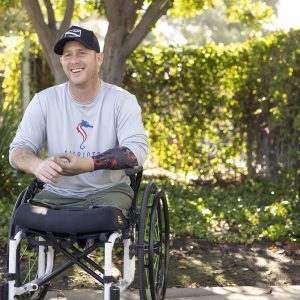 A successful scuba diving experience begins with thorough pre-trip preparation. Researching wheelchair-friendly dive destinations is paramount. Consider factors such as accessible hotels, restaurants, and local infrastructure. Additionally, choosing the right time of year for the trip can make a world of difference. Research typical weather and seasonal variations to ensure optimal conditions for a comfortable and enjoyable experience. Consulting with healthcare professionals and communicating specific needs to dive operators in advance are also crucial to a successful adventure.
2. Selecting Dive Operators
Choosing the right dive operator is critical in planning an accessible dive trip. When researching a dive center, look for wheelchair-accessible shops and boats, the availability of any rental adaptive diving equipment, and staff experienced with adaptive divers. Reading reviews and testimonials from other wheelchair users provides valuable insights; however, staff turnover is quick at many dive centers. So, reach out to the shop to better understand their accessibility and preparedness to dive with adaptive divers.
3. Packing Essentials
Packing for a dive trip is like packing for any other travel, with a few notable exceptions. In addition to your usual luggage, make a list of whatever dive gear you intend to bring with you. Verify that the dive center has rentals for any equipment you don’t own. Make these arrangements as early as possible because some equipment, like webbed swim gloves, is uncommon in most dive operations. Finally, think through each step in your dive plan, writing down everything you’ll need and want during your dive day. Plan to bring all these unless an alternative will be provided by the dive operator. For example, most dive boats provide defog, but only a few provide towels.
4. Transportation Logistics
Smooth transportation logistics are crucial for a hassle-free scuba diving adventure. Confirming the wheelchair accessibility of transportation options, including airlines and local transportation providers, ensures a comfortable journey. In the US, there are many ADA-compliant options for transportation. So, when traveling domestically, you likely won’t have an issue. However, most destination dive resorts have fewer transportation options, and finding wheelchair-accessible vehicles at some airports can be difficult. In these cases, contacting your hotel in advance is often best. Often, they can help make the appropriate arrangements.
5. Communication with Dive Guides
Clear communication with dive guides is vital to a successful scuba diving experience. Discussing specific needs and preferences, including mobility limitations and preferred assistance, establishes a foundation for understanding and cooperation. Inquire about accessible dive sites and potential challenges the morning of or the day before to ensure the dive guide and captain have time to formulate an inclusive plan. Most dive guides and boat captains are more than happy to make any reasonable accommodations you might require.
6. On-Site Experience
Upon arrival at the dive shop, familiarize yourself with the facilities and procedures. Listen to the pre-dive orientation to ensure you understand the upcoming dives, the boat, and the day’s schedule. From there on, just be a diver. You’ve trained for these dives, just like everyone else onboard. Enjoy the experience and the company of your fellow divers.
Never Stop Diving
For veterans in wheelchairs, regular scuba diving can be particularly beneficial. For many, diving provides a unique form of rehabilitation, promoting physical and mental well-being. Patriots for Disabled Divers makes the therapeutic benefits of diving available to our service members who need it the most. Our programs provide veterans with PADI scuba certifications at no cost, allowing them to access the benefits of diving for the rest of their lives. To apply for our program or to make a donation, contact us online or by email at jeff@patriotsfordisableddivers.org.