

Stress is something we can all appreciate during the holiday season. Crowded stores, jam-packed schedules, and social obligations that seem to pile up. The thought alone is nerve-wracking. Now imagine navigating all of that with the chronic anxiety and hyper-vigilance of PTSD. It would be enough to send most of us into a full-blown panic attack.
Now picture yourself underwater, weightless and cradled by the waves. The current traces soothing fingers down your arms and legs. You don’t have to be anywhere else. No one demands anything of you. You float and let the world drift by. Envision experiencing this world as an injured veteran, transcending physical limitations even as your stress level dwindles to zero. The impact of scuba diving is profound for those who have served. So, when it came time to choose a certifying agency that takes veteran training as seriously as we do, we chose PADI. Ten years later, it was one of the best choices we’ve ever made. Read on to learn why we sponsor PADI scuba diving courses exclusively and how that choice benefits our participants.
The Highest Safety Standards
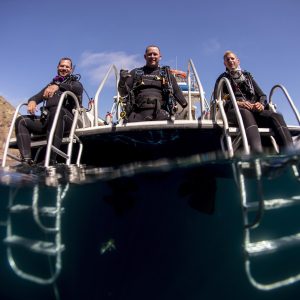 Safety is not just a priority in scuba diver training—it’s a non-negotiable standard. PADI instructor candidates undergo a comprehensive and rigorous training regimen called the Instructor Development Course. Once complete, the instructor candidate must undergo an independent two-day examination of their skills and control called the PADI Instructor Exam (IE). Only after the IE is successfully completed can the candidate begin teaching courses. Furthermore, PADI instructors must certify as adaptive diving instructors to work with our injured veterans. This is an additional two-day continuing education course for professionals that explains how to work with divers who require technique modifications.
These extensive professional requirements maximize the instructor’s experience and ensure they possess the skills and attitude necessary to keep our participants safe during training. This commitment to safety also instills confidence and trust, critical components for individuals navigating the challenges of physical disabilities. PFDD recognizes that PADI’s extensive instructor training program is instrumental in creating an environment where adaptive divers feel secure and supported.
The Quality Management Process
PADI’s continuous quality management process underlines their dedication to maintaining high safety standards. The organization consistently reviews and updates its training materials and methodologies to stay abreast of the latest advancements in diving medicine, environmental science, and technology. This commitment to excellence resonates with us at PFDD, as it ensures adaptive diver training remains at the forefront of safety and industry innovation.
Furthermore, PADI routinely surveys randomly selected divers who recently completed a course. The survey questions cover the training events to ensure the instructor taught the program to PADI standards. If a potential deviation occurred, PADI staff investigate the report to determine if the instructor requires counseling or retraining. In extreme cases, instructors who fail to uphold PADI standards have their professional certifications revoked. This ensures the trustworthiness of PADI professionals and provides peace of mind to PFDD’s injured veterans. No other diver training organization applies the same rigor to their quality management process.
International Recognition and Lifelong Validity
PADI certifications enjoy unparalleled international recognition. As a globally acclaimed authority in diver training, PADI ensures that injured veterans certified through PFDD-sponsored training are not confined to local waters. Whether an aspiring diver dreams of exploring Indonesia’s vibrant coral reefs or navigating the Caribbean’s azure depths, a PADI certification serves as a universal passport to underwater adventures worldwide.
Additionally, PADI diver-level certifications are valid for life. Once certified, an injured veteran is not only a permanent member of the adaptive diving community but a lifelong member of the international diving community. There are no annual dues and no retraining required to maintain this membership.
Community and Support
Beyond the technicalities of training, PADI fosters a sense of community among divers. Injured veterans gain essential skills and become part of a global network of passionate and like-minded individuals. This sense of community support is invaluable. It offers a network where challenges are shared, triumphs are celebrated, and the love for the underwater world binds individuals together. This is, in fact, one of the most beneficial aspects of diver training for injured veterans living with invisible injuries such as PTSD or TBI.
PFDD’s Collaborative Mission
In our mission to aid injured veterans through the therapeutic experience of scuba diving, Patriots for Disabled Divers recognizes the advantages of a PADI certification. Their international recognition and unwavering commitment to safety set PADI apart as the ideal choice for adaptive diver training. Through this strategic partnership, PFDD offers injured veterans the chance to heal in the underwater world and ensures that every dive is a safe, transformative experience. Together, PFDD and PADI create a path where the ocean’s depths become a realm of rejuvenation for those who have sacrificed so much for our freedom. To learn more about adaptive diving programs or to support the cause, contact us online or by email at jeff@patriotsfordisableddivers.org.