

Let’s face it. In today’s increasingly impersonal culture, it can be challenging to talk to anyone about the things that are important to us. Yet, word of mouth is one of the most valuable tools for raising awareness. 55% of Americans learn about new causes through word of mouth, and those who do are 90% more likely to act on that information when it comes from a friend or family member.
Conversations about adaptive scuba diving and its transformative impact on injured veterans are a powerful way to spread awareness and support for these programs. The physical, psychological, and social benefits of diving can be life-changing. Still, very few people are talking about it. In this article, we’ll help you break the ice by exploring practical tips on how to have meaningful conversations about adaptive diving and its positive effects on our injured veterans.
1. Know Your Subject
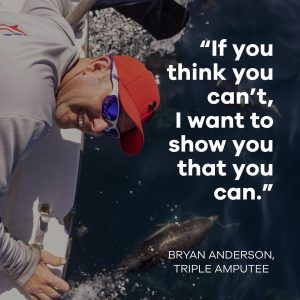 Before starting a conversation, familiarize yourself with the fundamentals of adaptive scuba diving and its benefits. Understand how this sport is tailored to accommodate individuals with different physical and cognitive abilities, making it an inclusive and empowering experience for injured veterans. The PFDD blog is a great place to start. It’s chocked full of expert information on the subject.
2. Strike Up a Conversation
That sounds so simple on the surface. Yet, in the moment, it can feel like the hardest thing in the world. Don’t worry. You can follow a simple strategy to make it a lot easier. Just ask an open-ended question. When you ask a question, you prompt a response. Follow that up with another question, and your conversation is off to the races. Not sure what to ask? When in doubt, ask, “What have you heard about scuba diving?” It’s really as easy as that.
3. Share Success Stories
Once you get the ball rolling, it’s time to communicate your message. The human brain is wired to respond to stories. So, success stories are the best place to start. Share how adaptive scuba diving has positively impacted you or injured veterans you know. Discuss how it helps physically, mentally, and emotionally. Don’t be afraid to get personal. Personal anecdotes and testimonials resonate better than all the facts and statistics in the world.
4. Emphasize the Plight of Injured Veterans
Injured veterans go through an incredible number of challenges in their healing journey. Trauma often leads to a whole host of physical, psychological, and social changes that leave many struggling to adapt. Share stories of the challenges you or your loved ones have faced due to these injuries. Other people will only know to help if they understand what is at stake.
 5. Talk About the Physical Benefits
Bring attention to the physical advantages of adaptive scuba diving, such as improved mobility, muscle strength, and cardiovascular fitness. Explain how the buoyancy of water alleviates pressure on joints, making it an ideal therapeutic exercise for those with physical injuries. You can even mention how scuba diving has been shown to support healing after spinal cord injuries.
6. Discuss Psychological Well-being
Talk about the psychological benefits, emphasizing how the underwater experience promotes relaxation, reduces stress, and provides a sense of freedom. Share information about the therapeutic effects of being surrounded by marine life and the calming influence of the underwater environment. Draw from personal experience if you can, either your own or what you’ve observed in loved ones.
7. Highlight Social Connection
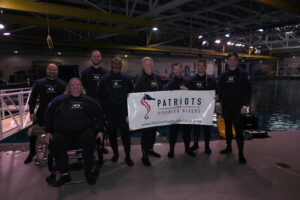
Social support is one of the most significant intangible benefits of adaptive diving. Be sure to discuss the social aspect of adaptive scuba diving and how it fosters community among injured veterans. Emphasize the camaraderie built through shared experiences and the support network that develops within the scuba diving community. Focus on how this community has improved the daily lives of the injured veterans who participate.
It Starts with You
Word of mouth is one of the most effective methods of spreading adaptive diving awareness. These conversations with your friends and family may seem minor. Still, they have an enormous impact on the injured veterans who need our programs. A few conversations with your circle could be the difference between veterans getting the relief they need or falling through the cracks. To learn more or to donate, contact us online or via email at jeff@patriotsfordisableddivers.org.