

It’s often said that your life can change in an instant. Spinal cord injuries are a dramatic example of that proverb in action. These life-altering injuries can divert the course of the victim’s life in a single devastating moment. Of the approximately 300,000 spinal cord injuries in the United States, the Department of Veterans Affairs estimates roughly 14% are veterans. For our service members, SCIs are often the result of traumatic events such as combat injuries, vehicle accidents, or falls. The damage leads to many challenges that extend beyond the initial injury. In this article, we explore the signs and symptoms of spinal cord injuries, delve into their profound effects on the lives of afflicted veterans, and explore what hope scuba diving provides those living with a SCI.
Understanding Spinal Cord Injuries
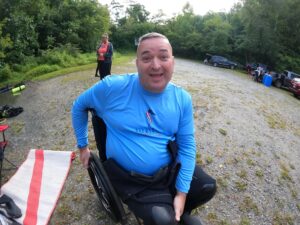
The spinal cord is a crucial component of our central nervous system, facilitating communication between the brain and the rest of the body. When this communication pathway is disrupted due to injury, the consequences can be devastating.
Signs and symptoms of SCIs include paralysis, loss of sensation, difficulty breathing, and impaired motor skills. Veterans who have sustained such injuries face daily challenges ranging from mobility issues to the emotional toll of adapting to a life that is drastically different from what they once knew. Serious SCIs almost invariably lead to separation from the military. This uproots service members from the communities and emotional support systems they depended on.
The Impact of Spinal Cord Injuries
Spinal cord injuries alter the trajectory of a veteran’s life. They affect not only physical abilities but also mental health and overall well-being. The loss of independence, coupled with the challenges of navigating a world designed for non-disabled individuals, can lead to feelings of isolation and frustration. Rehabilitation is often a long and arduous process, with no guarantee of complete recovery. Indeed, the road ahead is so taxing that someone living with a spinal cord injury is five times more likely to commit suicide than the average American. As a result, the pursuit of innovative therapeutic interventions becomes crucial in enhancing the quality of life for veterans living with spinal cord injuries.
Scuba Diving as a Therapeutic Approach
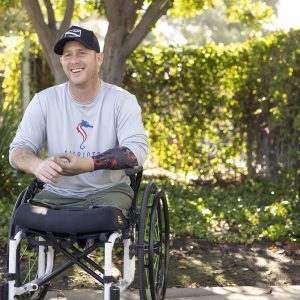 In 2011, a groundbreaking study conducted by Johns Hopkins University shed light on an unexpected therapeutic avenue for individuals with spinal cord injuries – scuba diving. The study suggested that scuba diving could have profound physical and psychological benefits for those living with spinal cord-related paralysis. In this study, researchers found disabled veterans with SCIs experienced improved physical sensation, decreased muscle tightness, and increased motor function after a 5-day dive trip.
Moreover, the therapeutic benefits of scuba diving extend beyond the physical realm. Participants reported improvements in mental well-being, increased confidence, and a sense of freedom that transcended the confines of their injuries. In fact, participants with PTSD reported an astounding 80% relief from their symptoms.
Improving Quality of Life
Scuba diving, once considered an activity reserved for the non-disabled, has emerged as a powerful tool in enhancing the quality of life for individuals with spinal cord injuries. Beyond the immediate physical benefits, the empowerment and accomplishment of mastering new skills underwater can be transformative. Scuba diving programs for veterans provide a supportive community, fostering camaraderie and understanding among those with similar challenges. Collectively, these benefits make scuba diving a profound therapy for veterans with SCIs.
You Can Make a Difference in a Veteran’s Life
Spinal cord injuries among U.S. veterans represent a significant challenge, demanding innovative approaches to enhance rehabilitation and improve overall quality of life. Scuba diving, as highlighted by the 2011 Johns Hopkins University study, offers a unique therapeutic avenue beyond the physical, providing a sense of freedom, empowerment, and community for those with spinal cord injuries. Adaptive diving programs significantly improve the quality of life for those who served our nation. You can support these veterans by making a contribution to PFDD. To donate or learn more about our programs, contact us online or email us at jeff@patriotsfordisableddivers.org.